Exactly How to Diagnose Typical Sprinkler Fixing Troubles Quick
A yard or planting bed can go from healthy and balanced to stressed in a solitary warm week. When watering fails, a lot of the damage occurs quietly, listed below quality or in the wee hours prior to dawn. Rapid, positive diagnosis is the distinction in between a quick fix and a month of brownish patches, muddy trenches, and a higher water bill. After a pair years of crawling with valve boxes, tracing low-voltage lines, and replacing heads by headlamp, I have actually chosen a functional strategy that reaches the origin rapidly and avoids guesswork.
Why rate matters greater than perfection
Every hour a malfunctioning zone runs, it substances the issue. A stuck valve can dump hundreds of gallons in a day. A damaged riser can excavate a trench under a driveway. A misadjusted spray on a south-facing incline can scorch grass in 2 days of 95 level warm. Smart lawn sprinkler maintenance aims to avoid those failings, but when problem shows up, the very first step is control, after that diagnosis.
You do not need a vehicle packed with parts to get 80 percent of concerns recognized. You require a systematic sequence and a couple of tools. As soon as you comprehend which symptoms point to provide, control, or circulation, you can solve most sprinkler fixing situations the exact same day.
A fast triage you can run in ten minutes
Use this as your very first pass prior to you start digging. It narrows the area from a lots opportunities to two or three.
- Confirm the controller is powered, set to the ideal day and time, and not in rain hold-up. Manually run the suspect zone for two minutes.
- Watch the water meter. If it spins extremely with no direct, suspect a mainline or side break. If it hardly moves and pressure is weak, search for a closed valve or blocked filter.
- Walk the active zone. Note heads that do not increase, heads that mist, and any geysers or gurgling turf.
- Lift a shutoff box lid and listen. Constant hissing without any area running points to a permeating master shutoff or a split pipeline. A humming solenoid recommends a control signal is present yet the shutoff is stuck.
- Check the heartburn. Ensure isolation shutoffs are open, examination penis are shut, and there is no noticeable dripping or winterization damage.
If a solitary area is dead, avoid ahead to the area on valves and solenoids. If multiple zones are weak, most likely to the area on stress and supply. If the yard is soggy and the expense is high, dive to the leak section.
Understand exactly how the system is laid out
A standard residential system has a water source and heartburn assembly, a master shutoff, a watering primary, a manifold of zone valves, pipelines feeding heads or drip, and a low-voltage controller connected to each shutoff with two wires. An air void or lowered pressure backflow rests over grade in several regions. In freezing climates, a blowout port connects to the main for winterization.
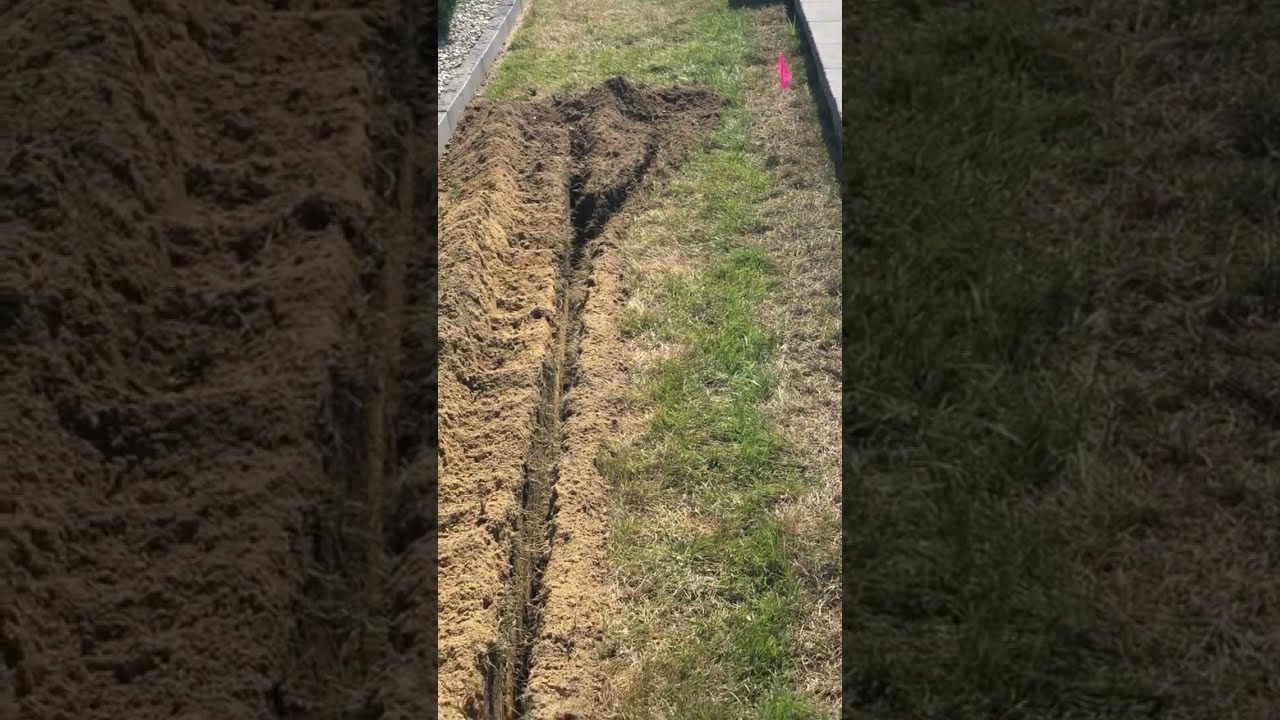
When lawn sprinkler installation is tidy, shutoff boxes are near the zones they control, cables are color coded, and pipe routing is foreseeable. Older or do it yourself systems might be much less orderly. Anticipate shocks. A head that looks central in a lawn could be fed from the opposite side because of hardscape. A zone may be divided between front and back beds. Mapping as you go saves time later.
Pressure matters. Most spray heads like 30 psi at the nozzle. Standard rotors run finest around 45 to 55 psi. Drip systems need 15 to 25 psi with purification. If you never gauge, you are working blind. A simple pressure gauge on a hose bib or at the heartburn examination penis will tell you if supply remains in the right ballpark.
Symptom: brown spots while the clock says everything ran
When protection looks irregular, the culprit is commonly a distribution issue rather than control or supply. First look for clogged nozzles. Sand and fine particles will lodge in the tiniest orifice, turning a follower into a pencil stream. The output still looks wet up close, but five feet away the turf dries out out.
Gently unscrew the nozzle, rinse it in a cup of water, and flick out debris with a little choice. If the filter basket is missing out on or broken down, change it. In messy communities after new building, I have actually drawn enough drywall dirt out of nozzles to fill up a teaspoon.
Check arc and span. If a person cranked a blades to avoid pathway spray, they might have cut off half a bed. Blades keep rainfall rate just when matched across a zone. One extra-large nozzle on a lengthy toss paired with small nozzles at the brief throws can leave kidney-shaped dry locations. Match nozzles by circulation price, not simply by eye.
Pop-up elevation matters also. A 2 inch spray head set in a sunken divot will certainly never get rid of amazing season turf in June. The fan gets cut by the blades, and you just water a doughnut around the head. Replace 2 inch bodies with 4 inch or increase them with a taller nipple area. It is a small sprinkler repair with an outsized impact on uniformity.
Finally, validate run time. Amazing springtime setups commonly get left on via July. What kept fescue pleased at 8 mins per area can fail in 100 level weeks. Add 10 to 20 percent run time seasonally or configure a second beginning time for split cycles on slopes.
Symptom: soaked lawn, mushrooms, or a sudden spike in the water bill
Unplanned wetlands point to leakages. The fastest way to validate is your water meter. With all fixtures off, note the tiny leak indication dial. If it spins when no zone needs to be running, water is moving someplace. Next off, shut the watering shutoff. If the dial quits quickly, the leak lives downstream in the watering system.
Walk the residential property and look for persistent moist areas, especially near valve boxes and along trenches where the original installer ran pipeline. Soft dirt that seems like a damp sponge is a classic indication of a side line leak. Poke gently with a lengthy screwdriver or a probe. You will certainly often really feel deep space where soil has actually cleaned away.
A side split or a blown fitting generally reveals a refined seep unless a zone is running. Geysers only appear throughout procedure. By hand run the area and look for bubbling. On drip, check for a damaged circulation line under compost. Thin black spaghetti tubing obtains chopped by edging and eaten by canines. A ten cent coupler repairs what can saturate a bed day after day.
Mainline leaks are harder. If the meter rotates without any zone energetic and the heartburn or master valve is permeating, dig there first. Cast brass fittings can crack in freeze events. PVC mains often split alongside glued installations when they were not topped correctly. A tidy elliptical machine split along the pipeline length screams solvent welding error, not bad luck.
One care: leakages can travel. I have chased after water twenty feet downhill from the actual break due to the fact that a trench bedded in sand came to be a hidden river. Dig near the wettest factor, yet be prepared to adhere to upstream.
Symptom: numerous areas are weak or heads mist in the breeze
Low stress and atomization share a root cause in several systems: the incorrect stress reaching the nozzles. High stress develops a haze that winds blow away, drainage and leaving completely dry grass. Reduced pressure transforms rotors right into careless dribblers that never ever reach their throw.
Start at the resource. Affix a pressure gauge at the heartburn test cock and review static stress, then running pressure with an area on. If fixed is 60 to 70 psi and running is 45 to 55 on a rotor zone, you remain in variety. If running stress declines below 30 across areas, presume a partially shut shutoff, a clogged filter on the backflow, or a smashed pipe. I once located a primary under a paver patio flattened by an improperly compressed base. The stress loss was significant, but the leakage never ever surfaced since there was no break.
If stress is expensive, add regulation. Several modern spray heads come pressure controlled to 30 psi, noted with public relations. Rotors have 45 psi variants. You can additionally install a zone stress regulatory authority or a master regulatory authority after the backflow. In gusty hallways, the difference in between regulated and unregulated sprays shows up from the road. Misting goes away, droplet size rises, and distribution improves.
If only certain areas are weak, examine their shutoffs. A tree origin can pinch a lateral, yet far more common is a stuck valve or debris lodged in the diaphragm. Open up the valve hood with the water off, wash the diaphragm and seat, and reassemble thoroughly. If the springtime on top of the diaphragm is deformed or rusty, replace the entire diaphragm set. Particles that floated in throughout lawn sprinkler setup or later on major repairs will keep coming back until filtered.
Symptom: one zone will not switch on at all
Dead areas typically map back to 5 opportunities: no power at the controller terminal, a damaged common cable, a failed solenoid, a stuck shutoff, or a shut isolation shutoff on that particular branch.
At the controller, validate that the terminal reveals active while running. Shake the cable on the incurable block. Loosened conductors hide in ordinary view. With a multimeter set to a/c, check voltage in between the station terminal and the common. Normal controllers send 24 to 28 volts when an area is on. If you see voltage however absolutely nothing runs, relocate to the valve.
In the shutoff box, attempt transforming the solenoid a quarter turn by hand while the controller requires that area. If the valve clicks open and water circulations, the coil is possibly falling short intermittently or the diaphragm is stuck. Change the solenoid initially. It is a two min work and fixes a shocking variety of no-starts.
No click, no circulation, and no voltage? The wire is damaged or mated badly somewhere. Follow the wire course. Several installers coil extra cable in the shutoff box or at the controller. Pull delicately. Corrosion at a straight burial splice is common in older systems that lack gel-filled adapters. Reconstruct splices with water resistant adapters rated for straight burial, not cable nuts wrapped in tape.
I bring a low-cost cable monitoring device to adhere to a dead conductor throughout a grass. If you do not have one, a short-lived test is to exchange the suspect area cord with a well-known excellent terminal at the controller. If the problem adheres to the wire, it is not the controller. If it remains with the station number, the controller output might be fried.
Do not forget mechanical isolation shutoffs. On bigger residential properties, a landscaping company might have closed a ball valve to a bed zone https://finniksp800.lucialpiazzale.com/troubleshooting-low-stress-and-uneven-coverage-in-lawn-sprinkler-systems to enable work, after that never resumed it. That is an easy victory.
Symptom: heads do not appear or fail to retract
Dirt, that is the usual suspect. Gradually, great soil and yard trimmings penetrate the riser seal. The springtime can no longer lift or pull the stem nicely. Start with a flush. With the area off, pull the head up by hand and clamp it with a head clamp. Loosen the top, remove the nozzle and filter, and rinse the body completely. A yard syringe full of tidy water assists blast debris out of the riser seal.
If the head is ancient or the cap is distorted from sunlight exposure, change the body. Bring brand-match bodies to avoid string issues with existing nozzles. If several heads in an area are stopping working to climb, examine zone stress or try to find a smashed lateral. A lot of heads added with time will certainly also starve the risers. I have located areas where a well-meaning house owner included 3 additional sprays through amusing pipeline to cover a new bed. It worked in spring, after that collapsed in July.
If heads stick up after shutdown, water is weeping with a valve, maintaining the risers pressurized. Clean or rebuild that area valve.
Symptom: hissing, water hammer, or babbling valves
Noisy systems terrify people and rightly so. Hissing at a valve without area running recommends a seeping diaphragm. Babble while a zone runs usually indicates borderline stress or a partly shut valve that causes cavitation. Water hammer at shutoff indicate rapid closing valves and lengthy stiff pipeline keeps up no air chambers.
Clean the shutoff initially. Change diaphragms if cleansing does not quiet it. Add guideline to tame hammer and misting. If a backflow vent spits or weeps during procedure, you may be over pressurizing a decreased stress assembly or the check seats are fouled. That is not a do it yourself restore in numerous jurisdictions. Call a certified tester, and do not neglect it. A fell short backflow can flooding a basement if it lies indoors.
Controller and sensing unit glitches that resemble pipes problems
It is easy to blame pipes wherefore wiring caused. I have actually gone after phantom leakages that were just a rain sensor stuck in bypass. I have actually replanted mushy soil just to realize a clever controller had pet mode energetic, which increased runtimes on flagged days.
Check the basics. See to it any kind of rain or freeze sensors are clean, correctly wired, and really signed up by the controller. Lots of modern controllers reveal sensing unit standing on display. If you see a raindrop symbol while every little thing is bone dry, unplug the sensor and test procedure. For Wi-Fi controllers, evaluate the routine and seasonal adjustments. Firmware updates in some cases reset runtimes or stack programs. Visit and audit.
When a solitary station runs multiple times daily suddenly, search for overlapping programs. Program A and B could both include Area 3 with different begin times. Split those. If drip areas compete one minute when programmed for 45, that is typically a circulation sensing unit or master valve misconfiguration. Advanced features save water when correct, and waste it when misapplied.
Frozen environments and springtime start-up realities
Where winter freeze burn out systems each autumn, many spring concerns map back to partial or hostile winterization. Compressed air is not type to vulnerable installations or blades internals if used blindly. A blades that spun at high RPM throughout blowout might grind noisily all season. Tiny check shutoffs in bodies can stick open. Heartburn assemblies split otherwise drained fully.
At springtime start, pressurize slowly. Open isolation valves a quarter turn each time. Bleed air at test penis. See the pressure scale. Purge each area briefly to flush prior to affixing nozzles. Change bodies that will not seal and check shutoffs that let heads drainpipe. An individual beginning saves a lots callbacks.
Preventive steps that shrink your repair list
Good lawn sprinkler maintenance is not exotic. It is uninteresting and efficient. As soon as monthly in the expanding season, run a complete system check throughout daytime. Stroll with a pick and a couple of nozzles in your pocket. Adjust arcs, clear obstructions, and note any valve boxes that remain wet. Two times per period, pull filters at the heartburn or area regulators and wash them. Every a couple of years, budget plan to change a percent of heads outright rather than go after recurring problems on components long past their lifespan.
Audit runtimes. Turf requires modification month by month. A basic seasonal readjust feature that ranges runtimes down in April and up in July keeps you truthful. On slopes, use cycle and soak to prevent overflow. On clay, longer yet gentler rainfall from MP potter's wheels may be worth the retrofit, yet just if stress and spacing are correct.

If you prepare a landscape remodel, involve whoever handles the watering prior to compost and plants go in. Many lawn sprinkler repair work migraines start with afterthought additions made without bookkeeping for pressure, circulation, or matched rainfall. Excellent sprinkler installment is silent and predictable. Bad setup comes to be a summer season hobby you did not ask for.
Tools that spend for themselves
You do not require a specialist's trailer. A tiny kit in a lug will fix most problems you will certainly meet this season.
- Pressure scale with a pipe thread adapter and a 1 or 2 inch utility cap for test cocks
- Multimeter for 24 volt AC checks and continuity
- Assortment of gel-filled waterproof connectors and an easy cord tracer
- Nozzles in common sizes, filters, a few 4 inch spray bodies, a choice of blades nozzles
- PVC cutter, primer and adhesive, amusing pipeline fittings, slide repairs for 1 inch and 3/4 inch, and a head puller
Use the scale first. It tells you whether to chase supply or distribution. The multimeter tells you whether to mine a broken cord or replace a solenoid. Waterproof connectors avoid repeats of the exact same electrical mistake you just fixed.
Edge instances and oddballs to watch for
Split feeds, hidden tees, and crossover cables can deceive also seasoned technologies. I when opened up a valve that needs to have fed only the side lawn and viewed the backyard beds holler to life. A previous proprietor had actually teed into that lateral for a fountain, after that got rid of the fountain and covered the noticeable pipeline, leaving the covert feed. Always presume a system has actually history.
Another reoccuring oddity is a zone that runs weakly just at 6 a.m., then fine at noon. That is community demand. If your water pipe is shown a next-door neighbor's irrigation that begins then, pressure will certainly dip. Startle your start times or add a tiny booster if the community's early morning draw is fierce. More often, the solution is just to run heavy-use zones later on in the morning.
On brand-new building and construction with PEX stubs and mix residential and irrigation manifolds, plumbing technicians sometimes throttle irrigation accidentally. A half-turn of a portable round shutoff hidden behind a gain access to panel can restore typical flow.
Tree origin breach divides solvent welds and crushes laterals. If a particular bed area fails every three years and a real-time oak neighbors, consider rerouting in sleeved pipe or converting that bed to leak. Drip under compost minimizes problems with root development and makes use of water extra effectively.
When a specialist saves time and money
Most house owners and center supervisors can manage uncomplicated solutions. There are times when a certified pro with specialized tools earns their charge quickly.
- Backflow settings up that leakage, spit, or fail yearly testing, especially lowered pressure units
- Mainline breaks under hardscape or in high-value planting beds where marginal excavation matters
- Recurrent electrical faults throughout multiple zones that likely call for wire course tracing and valve locating
- Complex controllers connected to stream sensors, weather information, and master valves that need programming expertise
- Systems with chronic reduced stress that may take advantage of a pump or regulatory authority redesign
An excellent specialist will certainly detect in the first check out and propose choices with costs and influences. Request in the past and after pressure analyses, photos of repair services, and a short punch checklist for future upkeep. If they hand you a bill and no data, promote clarity.
Quick case notes from the field
A school soccer area had brownish arcs near the goal boxes. The premises team had changed heads two times. We examined pressure first: 62 psi fixed, 40 performing at the blades, fine. Protection map showed a pattern. Just the lengthy throws fallen short to get to. The offender was dissimilar nozzles after a mid-season swap. The installer had actually used high angle nozzles at the edges, low angle in the mids, and a 3.0 gpm where a 1.5 was defined. 10 mins with a nozzle rack dealt with a month of phone calls.
A dining establishment outdoor patio flooded every Tuesday. Only Tuesday. The supervisor thought it was a sewage system problem since it scented. The watering schedule showed a deep soak cycle included by the landscaping company on Tuesdays prior to opening up. One broken amusing pipeline under the brick side fed a hidden dental caries up until water gurgled up hours later, lugging soil smell. We repaired the pipe, added a flexible stress regulatory authority to that area to quit misting, and relocated the cycle to mid-morning when personnel could observe.
A property owner had a zone that would not turn off unless he cut the major. The shutoff was brand-new. We discovered a tiny stone lodged in the diaphragm seat, most likely introduced during a hurried sprinkler setup near a crushed rock driveway. He had purged by running the zone, which only drew the stone tighter. We cleansed the seat, reassembled, and advised adding a Y strainer upstream of the manifold due to the fact that his well was gritty. No repeat in two seasons.
Putting it all together
Fast medical diagnosis rests on a couple of behaviors. Step pressure, do not think. View the meter for leakages. Divide issues into supply, control, and circulation, then examine the simplest item initially. Tidy before you replace. When you change, match parts to stress and precipitation. Document what you find so future you or the next technology has a beginning map.
Sprinkler systems do not need to be mystical. With a consistent process and a little kit, you will deal with most issues swiftly and protect against the rest with stable lawn sprinkler maintenance. When the extent pushes previous comfort, bring in a professional and obtain their eyes for an hour. The lawn will tell you when you have it right. It stops screaming with brown circles and soaked edges, and silently thrives.